Tax Planning & Consulting
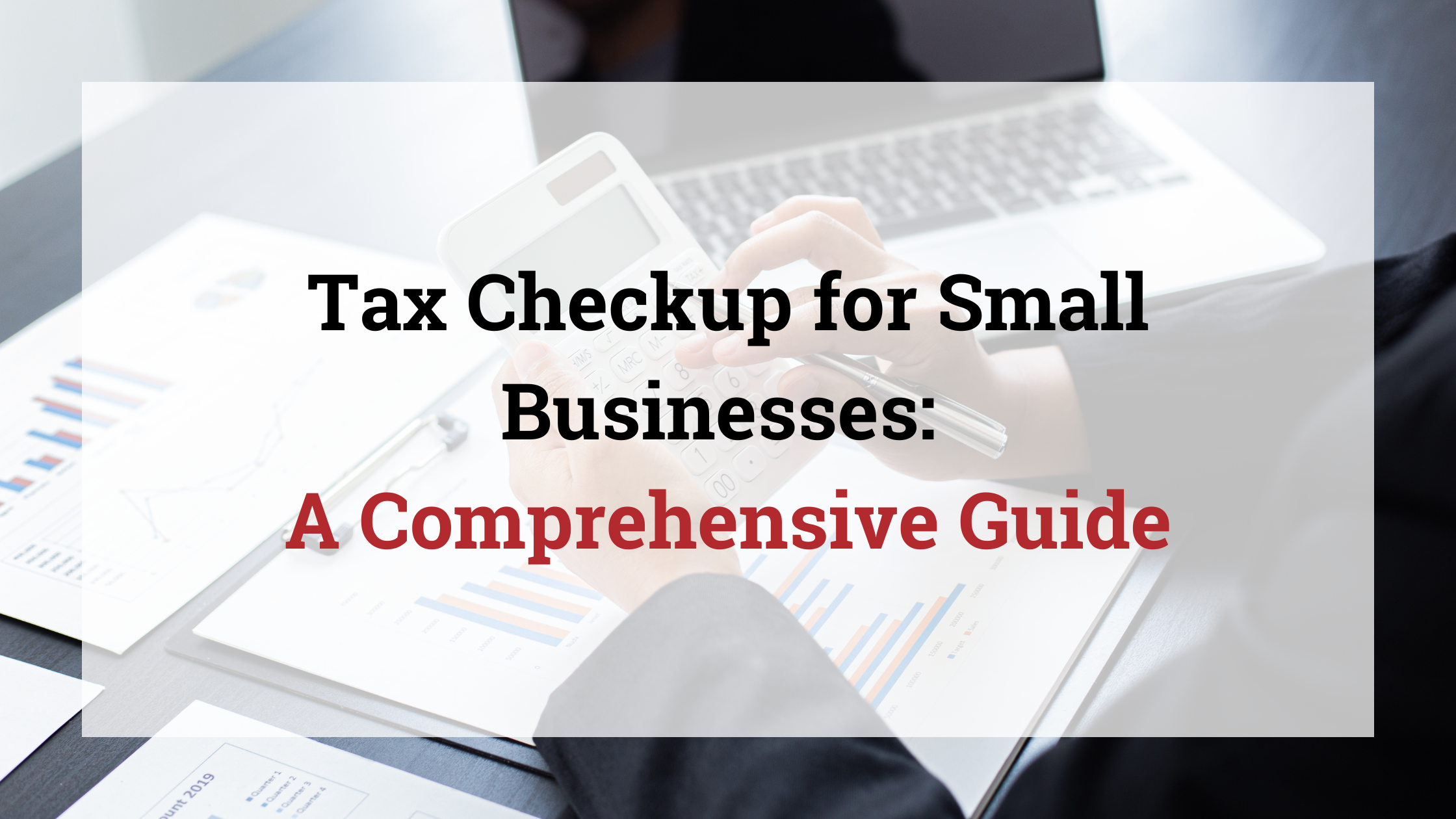
Tax Checkup for Small Businesses: A Comprehensive Guide
Running a small business comes with a myriad of responsibilities, and one crucial aspect that should never be overlooked is tax management. A periodic tax checkup ensures that your business stays compliant with tax laws, optimizes tax liabilities, and maintains healthy financial health. This guide will walk you through essential steps for a thorough tax checkup, including reviewing financial statements, projecting profitability, establishing tax planning ideas, reviewing key performance indicators (KPIs), and analyzing cash flow.
1. Reviewing Financial Statements
Balance Sheet: Start by reviewing your balance sheet. This document provides a snapshot of your business’s financial position at a given point in time. Pay attention to assets, liabilities, and equity. Ensure that all entries are accurate and up-to-date.
Income Statement: The income statement, or profit and loss statement, shows your business’s performance over a specific period. It details revenues, expenses, and profits or losses. Check for accuracy and completeness, and compare it with previous periods to identify trends.
Cash Flow Statement: This statement tracks the flow of cash in and out of your business. It's crucial for understanding how well your business generates cash to meet obligations. Review operating, investing, and financing activities to get a complete picture of your cash situation.
2. Projecting Profitability
Creating projections for profitability helps you set realistic financial goals and prepare for future expenses. Here’s how to do it:
- Sales Forecasting: Estimate future sales based on historical data, market trends, and economic conditions.
- Expense Forecasting: Predict future expenses, including fixed and variable costs.
- Profit Margin Analysis: Calculate expected profit margins by analyzing past performance and industry benchmarks.
- Break-Even Analysis: Determine the sales volume needed to cover all costs. This helps in understanding the minimum performance required to avoid losses.
3. Establishing Tax Planning Ideas to Reduce Tax Liability
Effective tax planning can significantly reduce your tax liability. Consider the following strategies:
- Expense Deductions: Identify and claim all allowable business expenses. This includes office supplies, travel, salaries, and rent.
- Depreciation: Use depreciation on long-term assets to spread the expense over several years.
- Tax Credits: Take advantage of available tax credits for small businesses, such as those for research and development, energy efficiency, and hiring.
- Retirement Plans: Contribute to retirement plans for yourself and your employees. Contributions are often tax-deductible.
- Income Deferral: Delay income receipt to the next tax year if you expect to be in a lower tax bracket.
4. Reviewing Key Performance Indicators (KPIs)
KPIs are vital for measuring the success and health of your business. Regularly reviewing these indicators helps in making informed decisions. Important KPIs to monitor include:
- Gross Profit Margin: Indicates the efficiency of production and pricing.
- Net Profit Margin: Shows overall profitability after all expenses.
- Current Ratio: Measures the ability to pay short-term liabilities with short-term assets.
- Accounts Receivable Turnover: Indicates how quickly you collect payments from customers.
- Inventory Turnover: Measures how efficiently inventory is managed.
5. Analyzing Cash Flow
Cash flow is the lifeblood of any business. Analyzing cash flow involves:
- Monitoring Cash Inflows and Outflows: Regularly track all sources of income and expenditure.
- Cash Flow Forecasting: Project future cash flows based on historical data and upcoming obligations.
- Managing Working Capital: Ensure you have sufficient working capital to cover short-term liabilities and invest in growth opportunities.
- Liquidity Management: Maintain a balance between having enough cash on hand and investing excess cash effectively.
Conclusion
A comprehensive tax checkup is essential for maintaining the financial health of your small business. By diligently reviewing financial statements, projecting profitability, implementing tax planning strategies, monitoring KPIs, and analyzing cash flow, you can ensure your business remains compliant, profitable, and well-prepared for the future. Regular tax checkups not only help in reducing tax liabilities but also contribute to better financial decision-making and overall business success.
Categories
- All
- Auditing(2)
- Business Planning(10)
- CFO Services/Accounting(4)
- City & County Budgeting(1)
- Estate Planning(4)
- Family Planning(1)
- Fiscal Sustainability(7)
- Healthcare(2)
- IRS Representation(2)
- Mergers & Acquisition(1)
- Retirement Planning(14)
- Tax Planning & Consulting(20)
- Utility Rate Study(1)